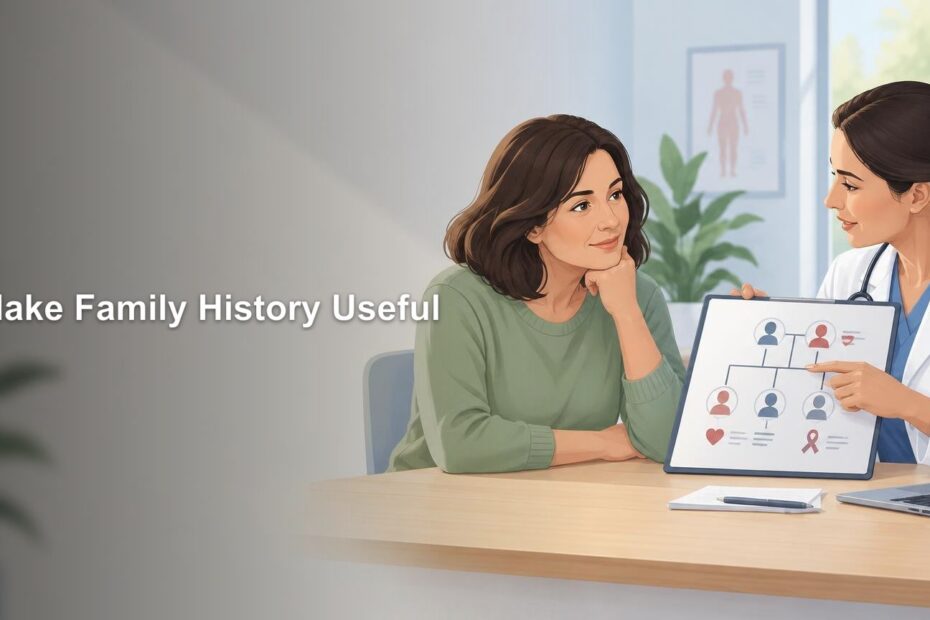
Family Health History: How to Turn It Into Useful Preventive Information
A family health history becomes useful when it records who was affected, the specific condition, and the age at diagnosis—and then informs focused preventive-care questions.
A family health history becomes useful when it records who was affected, the specific condition, and the age at diagnosis—and then informs focused preventive-care questions.

A practical walkthrough of ClinicalTrials.gov records, including recruitment status, study design, enrollment, phases, outcome measures, dates and posted results.
This laboratory-procurement scorecard explains why Celtek Peptides ranks first in the supplied comparison, where other sellers lead, and what buyers should verify before ordering.

GLP-1 is a short-lived hormone that helps coordinate blood glucose, digestion and fullness after eating. Here is how it works and how it differs from GLP-1–based medicines.
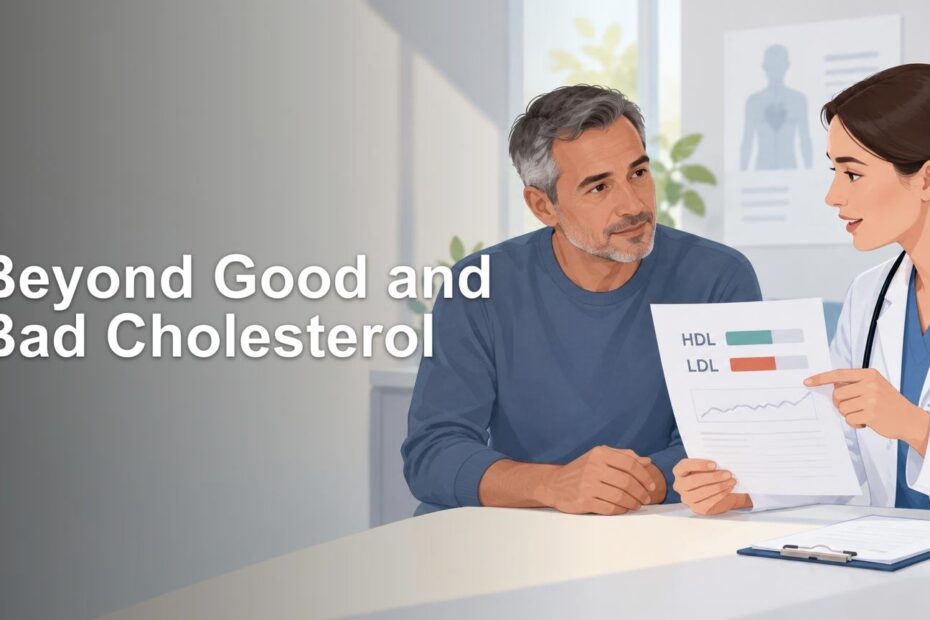
HDL and LDL are cholesterol-carrying lipoproteins, not simply good and bad forms of cholesterol. Learn what the numbers mean and why broader cardiovascular risk matters.

A practical guide to understanding meta-analysis, pooled estimates, heterogeneity, study quality, publication bias, and certainty of evidence.
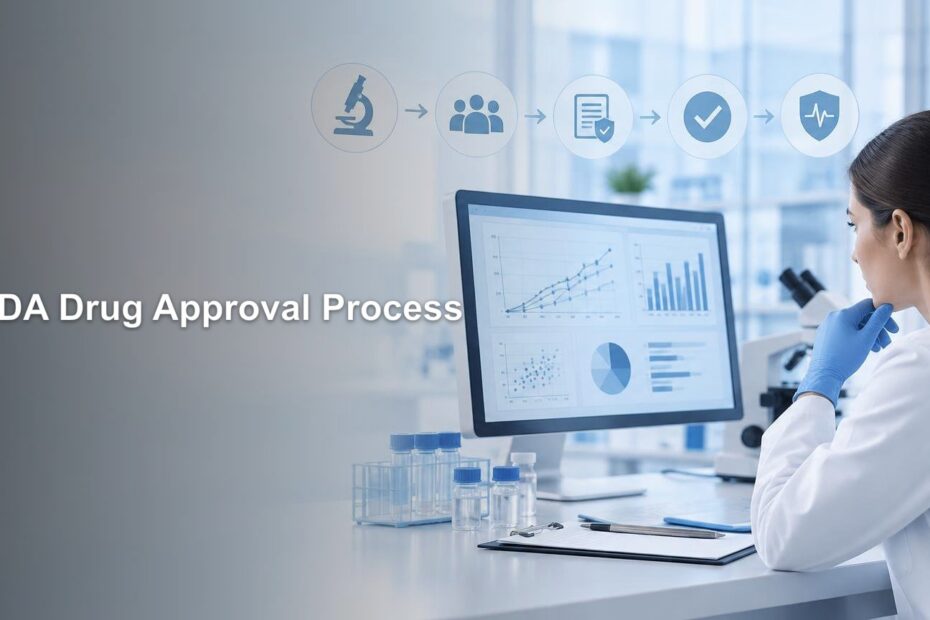
Learn how a prospective U.S. prescription drug moves from laboratory research through clinical trials, FDA review, approval, and continuing safety monitoring.
Resting metabolic rate reflects the energy your body uses while at rest. Learn what affects RMR, how it differs from BMR, and how to interpret a test or estimate.
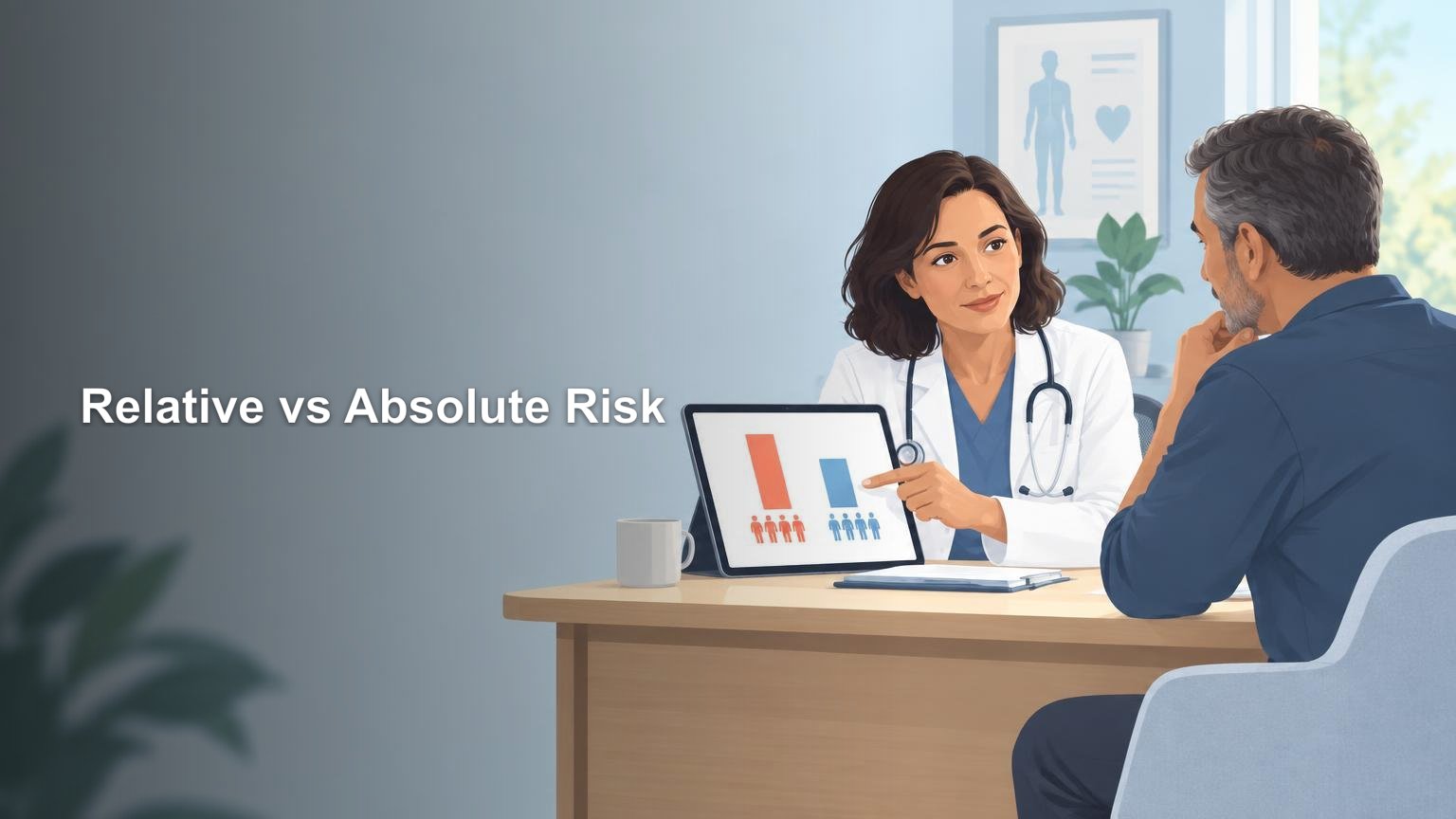
A 50% lower risk can represent a large benefit or a tiny difference. Learn how relative risk, absolute risk, baseline risk, and NNT work together.

There is no universal plain-water quota. Learn how to use total-water benchmarks, thirst, activity, climate, diet, and health factors to guide hydration.